
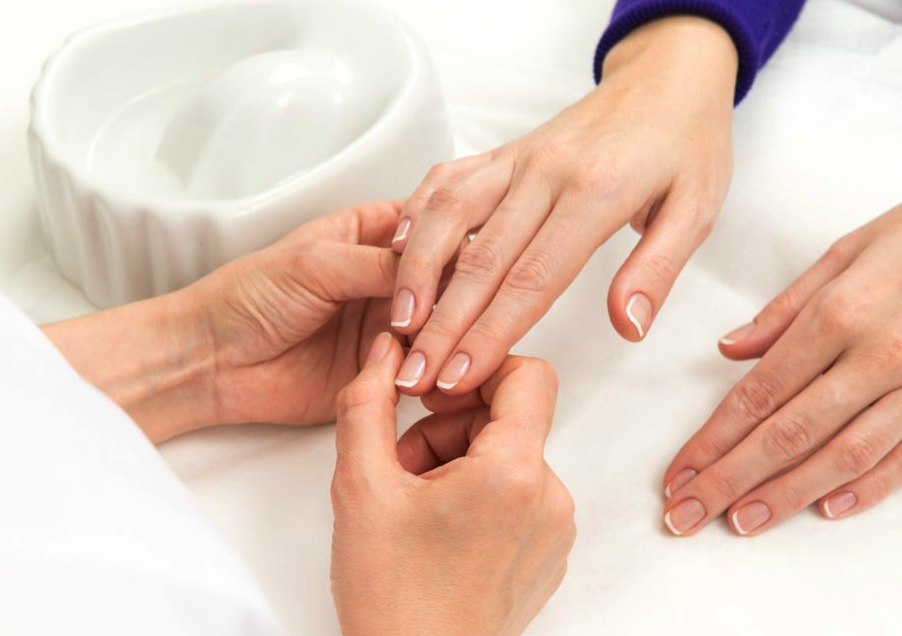
How often should you get a manicure without damaging your nails?
Beautiful, well-groomed hands are an important part of your overall look, but it’s not enough to simply get regular manicures - you also need to maintain nail health. Many people wonder: how often should you get a manicure without damaging the nail plate? In this article, we’ll explore what frequency is considered safe and how to keep your nails healthy.
Why It’s Important to Keep the Right Interval
A manicure is not just an aesthetic procedure. During nail and cuticle treatment, there is mechanical impact, and with polish application, there is also chemical exposure. If procedures are done too frequently or incorrectly, you may face issues such as:
How Often to Get a Manicure Safely
The optimal frequency depends on the type of manicure and the condition of your nails.
1. Classic (cutting) manicure
Recommended once every 2–3 weeks. During this time, the cuticle has time to grow back but does not become too rough. More frequent procedures may cause the skin to grow faster and become thicker.
2. E-file (hardware) manicure
Considered gentler, so it can also be done every 2–3 weeks. However, much depends on the technician’s skill - incorrect technique can damage the nail.
3. Gel polish manicure
The most popular option. It’s best to refresh the coating every 3–4 weeks. Wearing gel polish longer is not recommended because:
4. Nail extensions
A fill (correction) should be done every 3–4 weeks. As the nails grow out, the stress point shifts, making them more vulnerable.
Do You Need Breaks?
One of the most common myths is that nails need to “breathe.” In reality, nails are made of keratin and do not breathe - but that doesn’t mean breaks aren’t helpful.
You should take a break if:
How to Keep Your Nails Healthy
To prevent damage, it’s important not only to follow the right schedule but also to take proper care of your hands.
1. Moisturizing
The cuticle and surrounding skin need regular nourishment. Use oils and creams daily.
2. Gentle removal
Never peel off gel polish yourself - this is one of the main causes of nail damage.
3. Choosing a technician
A quality manicure depends directly on the professional’s skill. Incorrect technique can damage nails even with infrequent procedures.
4. Nutrition
Healthy nails start from within. Include in your diet:
It’s important to understand that there is no universal answer to how often you should get a manicure. It depends on:
Signs It’s Time to Refresh Your Manicure
Watch for these signs:
The optimal manicure frequency is a balance between beauty and safety. On average:
Remember: consistent and proper care is the key not only to beautiful but also to strong nails.
Why It’s Important to Keep the Right Interval
A manicure is not just an aesthetic procedure. During nail and cuticle treatment, there is mechanical impact, and with polish application, there is also chemical exposure. If procedures are done too frequently or incorrectly, you may face issues such as:
- thinning of the nail plate
- brittleness
- dryness of the skin around the nails
- peeling (splitting)
How Often to Get a Manicure Safely
The optimal frequency depends on the type of manicure and the condition of your nails.
1. Classic (cutting) manicure
Recommended once every 2–3 weeks. During this time, the cuticle has time to grow back but does not become too rough. More frequent procedures may cause the skin to grow faster and become thicker.
2. E-file (hardware) manicure
Considered gentler, so it can also be done every 2–3 weeks. However, much depends on the technician’s skill - incorrect technique can damage the nail.
3. Gel polish manicure
The most popular option. It’s best to refresh the coating every 3–4 weeks. Wearing gel polish longer is not recommended because:
- it disrupts the nail’s balance
- increases the risk of chipping
- may cause nail plate deformation
4. Nail extensions
A fill (correction) should be done every 3–4 weeks. As the nails grow out, the stress point shifts, making them more vulnerable.
Do You Need Breaks?
One of the most common myths is that nails need to “breathe.” In reality, nails are made of keratin and do not breathe - but that doesn’t mean breaks aren’t helpful.
You should take a break if:
- your nails have become thin
- peeling has appeared
- you feel dryness or sensitivity
- aggressive removal methods are frequently used
How to Keep Your Nails Healthy
To prevent damage, it’s important not only to follow the right schedule but also to take proper care of your hands.
1. Moisturizing
The cuticle and surrounding skin need regular nourishment. Use oils and creams daily.
2. Gentle removal
Never peel off gel polish yourself - this is one of the main causes of nail damage.
3. Choosing a technician
A quality manicure depends directly on the professional’s skill. Incorrect technique can damage nails even with infrequent procedures.
4. Nutrition
Healthy nails start from within. Include in your diet:
- protein
- B vitamins
- calcium
- omega-3 fatty acids
It’s important to understand that there is no universal answer to how often you should get a manicure. It depends on:
- nail growth rate
- skin type
- lifestyle
- type of coating
Signs It’s Time to Refresh Your Manicure
Watch for these signs:
- noticeable regrowth
- loss of a neat appearance
- chipped polish
- dry or rough cuticles
The optimal manicure frequency is a balance between beauty and safety. On average:
- classic and e-file manicure - every 2–3 weeks
- gel polish - every 3–4 weeks
- nail extensions - fill every 3–4 weeks
Remember: consistent and proper care is the key not only to beautiful but also to strong nails.