
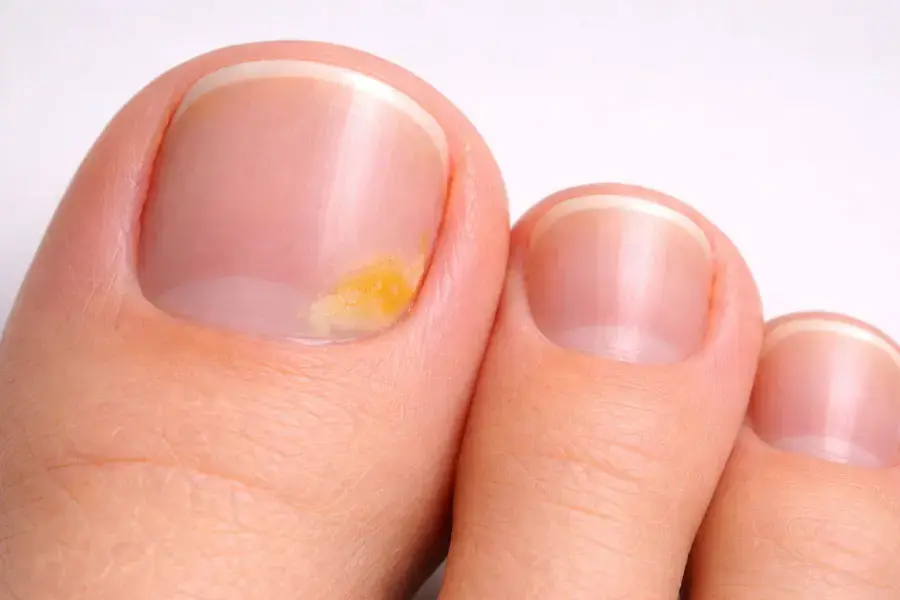
How to Tell the Difference Between Toenail Fungus and a Nail Plate Injury
Beautiful, healthy nails are an essential part of a well-groomed appearance. Many residents and visitors of the UAE regularly visit beauty salons for a professional manicure in Dubai, enjoy flawless makeup in Dubai, choose a stylish hairstyle in Dubai, or opt for trendy ponytail hairstyles. However, even with proper nail care, changes in the appearance of your nails can occur. One of the most common concerns is yellowing, thickening, or deformation of the nail plate. While these symptoms often raise suspicion of a fungal infection, they are not always caused by fungus. In many cases, nail injuries produce very similar signs.
Let's explore how to distinguish toenail fungus from a nail injury, when to seek professional help, and why early diagnosis is essential.
Why Does a Nail Change Color and Shape?
A nail may change its appearance for many different reasons. Many people assume that a yellow toenail automatically means a fungal infection, but this is not always true.
Common causes include:
Causes of Yellow Toenails
There are many causes of yellow toenails, and not all of them are related to fungal infections. Sometimes discoloration develops gradually, while in other cases it appears shortly after an injury.
If the nail changes color after dropping a heavy object on your foot or wearing tight shoes for an extended period, the cause is likely trauma.
However, if the nail slowly becomes thicker, starts to crumble, develops an unpleasant odor, or neighboring nails begin to show similar symptoms, a fungal infection becomes much more likely.
Symptoms of Toenail Fungus
Onychomycosis is a fungal infection caused by different types of fungi. The disease develops gradually and rarely disappears without treatment.
Common signs include:
Warm and humid climates create ideal conditions for fungal growth, making Toenail Fungus in Dubai a common concern for both residents and visitors.
What Does a Nail Injury Look Like?
A nail injury usually occurs after a direct impact, prolonged pressure, or crushing of the nail plate.
Typical symptoms include:
Unlike fungal infections, traumatic nail damage almost never spreads to other toenails.
Key Differences Between Toenail Fungus and Nail Trauma
Although the two conditions may appear similar, several important differences can help distinguish them.
Speed of Symptom Development
A nail injury develops immediately after mechanical damage.
Toenail fungus progresses gradually over weeks or even months.
Pain
Trauma usually causes pain right away.
Fungal infections typically become painful only in more advanced stages.
Nail Color
Following an injury, the nail often develops dark red, blue, purple, or black discoloration due to bleeding beneath the nail.
With fungal infections, nails are more likely to become yellow, white, gray, or brown.
Nail Thickness
Toenail fungus commonly causes the nail to become significantly thicker.
A traumatized nail often maintains its normal thickness, especially during the early stages.
Spread
Trauma usually affects only one nail.
Toenail fungus frequently spreads to adjacent nails if left untreated.
When Should You See a Specialist?
Self-diagnosis is not recommended.
Schedule a consultation if:
How Is Toenail Fungus Diagnosed?
A healthcare professional will examine the nail and may recommend laboratory testing.
Common diagnostic methods include:
Treatment for Toenail Fungus
Today, several highly effective treatment options are available.
Depending on the severity of the infection, treatment may include:
Professional Toenail Fungus Treatment in Dubai begins with a comprehensive evaluation. Specialists create an individualized treatment plan based on the severity of the infection, the patient's medical history, and overall health, maximizing the chances of complete recovery while minimizing the risk of recurrence.
Can You Get a Manicure with Toenail Fungus?
It is generally recommended to postpone cosmetic nail treatments until the infection has completely healed.
Even a high-quality manicure in Dubai should only be performed after successful treatment. Nail polish and artificial coatings may conceal the progression of the infection, making it more difficult to monitor healing.
In addition, fungal infections may spread if salon hygiene and sterilization standards are not strictly followed.
Always choose beauty salons that maintain the highest standards of instrument sterilization and sanitation.
Preventing Toenail Fungus
Preventing fungal infections is far easier than treating them.
Experts recommend the following preventive measures:
Healthy Nails Are the Foundation of Beauty
The modern beauty industry offers countless services to enhance your appearance. Whether it's flawless makeup in Dubai, a fashionable hairstyle in Dubai, elegant ponytail hairstyles, or a professional manicure in Dubai, healthy nails remain the foundation of true beauty.
If you notice changes in the color, shape, or texture of your nails, don't assume the problem will disappear on its own. Only a professional examination can accurately determine whether you're dealing with a nail injury or a fungal infection.
The earlier treatment begins, the easier it is to restore healthy nails, prevent complications, and enjoy beautiful, well-maintained feet once again.
Let's explore how to distinguish toenail fungus from a nail injury, when to seek professional help, and why early diagnosis is essential.
Why Does a Nail Change Color and Shape?
A nail may change its appearance for many different reasons. Many people assume that a yellow toenail automatically means a fungal infection, but this is not always true.
Common causes include:
- Fungal nail infection
- Nail trauma or injury
- Wearing tight shoes
- Sports-related injuries
- Improper pedicure techniques
- Age-related changes
- Certain medical conditions
- Vitamin and mineral deficiencies
Causes of Yellow Toenails
There are many causes of yellow toenails, and not all of them are related to fungal infections. Sometimes discoloration develops gradually, while in other cases it appears shortly after an injury.
If the nail changes color after dropping a heavy object on your foot or wearing tight shoes for an extended period, the cause is likely trauma.
However, if the nail slowly becomes thicker, starts to crumble, develops an unpleasant odor, or neighboring nails begin to show similar symptoms, a fungal infection becomes much more likely.
Symptoms of Toenail Fungus
Onychomycosis is a fungal infection caused by different types of fungi. The disease develops gradually and rarely disappears without treatment.
Common signs include:
- Yellow, white, or brown discoloration
- Thickening of the nail
- Brittle texture
- Cracking or splitting
- Changes in nail shape
- Unpleasant odor
- Separation of the nail from the nail bed
- Infection spreading to neighboring nails
Warm and humid climates create ideal conditions for fungal growth, making Toenail Fungus in Dubai a common concern for both residents and visitors.
What Does a Nail Injury Look Like?
A nail injury usually occurs after a direct impact, prolonged pressure, or crushing of the nail plate.
Typical symptoms include:
- Immediate pain following the injury
- A red, blue, purple, or black spot beneath the nail
- Bleeding under the nail
- Partial lifting of the nail
- Slower nail growth while healing
Unlike fungal infections, traumatic nail damage almost never spreads to other toenails.
Key Differences Between Toenail Fungus and Nail Trauma
Although the two conditions may appear similar, several important differences can help distinguish them.
Speed of Symptom Development
A nail injury develops immediately after mechanical damage.
Toenail fungus progresses gradually over weeks or even months.
Pain
Trauma usually causes pain right away.
Fungal infections typically become painful only in more advanced stages.
Nail Color
Following an injury, the nail often develops dark red, blue, purple, or black discoloration due to bleeding beneath the nail.
With fungal infections, nails are more likely to become yellow, white, gray, or brown.
Nail Thickness
Toenail fungus commonly causes the nail to become significantly thicker.
A traumatized nail often maintains its normal thickness, especially during the early stages.
Spread
Trauma usually affects only one nail.
Toenail fungus frequently spreads to adjacent nails if left untreated.
When Should You See a Specialist?
Self-diagnosis is not recommended.
Schedule a consultation if:
- Nail changes persist for several weeks
- The nail begins to crumble
- An unpleasant odor develops
- Multiple nails become affected
- Pain increases
- The nail starts separating from the nail bed
- The surrounding skin becomes red or inflamed
How Is Toenail Fungus Diagnosed?
A healthcare professional will examine the nail and may recommend laboratory testing.
Common diagnostic methods include:
- Microscopic examination
- PCR testing
- Fungal culture
- Dermoscopy
Treatment for Toenail Fungus
Today, several highly effective treatment options are available.
Depending on the severity of the infection, treatment may include:
- Medicated nail lacquers
- Antifungal creams
- Oral antifungal medications
- Medical nail debridement
- Laser therapy
Professional Toenail Fungus Treatment in Dubai begins with a comprehensive evaluation. Specialists create an individualized treatment plan based on the severity of the infection, the patient's medical history, and overall health, maximizing the chances of complete recovery while minimizing the risk of recurrence.
Can You Get a Manicure with Toenail Fungus?
It is generally recommended to postpone cosmetic nail treatments until the infection has completely healed.
Even a high-quality manicure in Dubai should only be performed after successful treatment. Nail polish and artificial coatings may conceal the progression of the infection, making it more difficult to monitor healing.
In addition, fungal infections may spread if salon hygiene and sterilization standards are not strictly followed.
Always choose beauty salons that maintain the highest standards of instrument sterilization and sanitation.
Preventing Toenail Fungus
Preventing fungal infections is far easier than treating them.
Experts recommend the following preventive measures:
- Wear comfortable, properly fitting shoes.
- Dry your feet thoroughly after bathing.
- Use your own towels.
- Avoid walking barefoot in public pools, gyms, and locker rooms.
- Change socks daily.
- Regularly disinfect your shoes.
- Maintain proper foot hygiene.
- Visit reputable beauty salons with strict sanitation protocols.
Healthy Nails Are the Foundation of Beauty
The modern beauty industry offers countless services to enhance your appearance. Whether it's flawless makeup in Dubai, a fashionable hairstyle in Dubai, elegant ponytail hairstyles, or a professional manicure in Dubai, healthy nails remain the foundation of true beauty.
If you notice changes in the color, shape, or texture of your nails, don't assume the problem will disappear on its own. Only a professional examination can accurately determine whether you're dealing with a nail injury or a fungal infection.
The earlier treatment begins, the easier it is to restore healthy nails, prevent complications, and enjoy beautiful, well-maintained feet once again.