
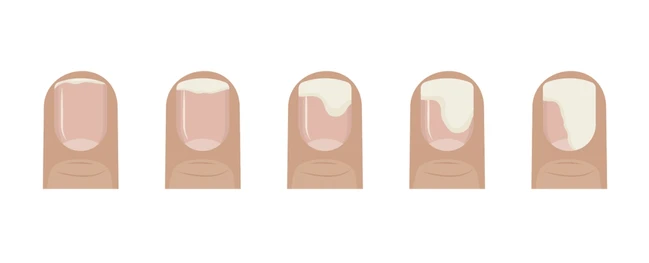
Onycholysis: Why the Nail Separates from the Nail Bed
Beautiful, healthy nails are an essential part of a well-groomed appearance. Even the most stylish manicure in Dubai, trendy makeup ideas, or a fashionable hairstyle cannot hide a nail that has begun to separate from the nail bed. One of the most common reasons people seek professional nail care is onycholysis—a condition in which the nail plate partially or completely detaches from the underlying nail bed.
Although many people consider onycholysis to be merely a cosmetic concern, it can actually indicate underlying health issues, trauma, or improper nail care. The earlier the cause is identified, the greater the chances of restoring the nail completely without complications.
What Is Onycholysis?
Onycholysis is the separation of the nail plate from the nail bed. It usually begins at the free edge of the nail and gradually progresses toward the cuticle. As the nail lifts, an air pocket forms beneath it, causing the detached area to appear white, yellowish, or gray.
While onycholysis is often painless, the space beneath the nail creates an ideal environment for bacteria and fungi to grow. That is why prompt diagnosis and treatment are essential.
Common Causes of Nail Separation
There are many possible causes of onycholysis. Identifying the underlying reason is the key to successful treatment.
Nail Trauma
One of the most common causes is mechanical injury, including:
- A strong impact or blow to the nail
- Finger injuries or crushing accidents
- Using nails as tools
- Aggressive manicure techniques
- Improper gel polish removal
- Excessive filing or thinning of the nail plate
Allergic Reactions
Certain ingredients found in nail polish, gel polish, nail glue, or household cleaning products may trigger allergic reactions. As a result, the nail loses strength and begins to detach from the nail bed.
Choosing high-quality products and visiting experienced nail professionals significantly reduces this risk.
Fungal Nail Infections
Fungal infections are among the most serious causes of onycholysis. The infection gradually damages the nail plate, altering its color, thickness, and structure.
In these cases, cosmetic care alone is not enough. Proper medical diagnosis and targeted treatment are required.
Underlying Medical Conditions
Sometimes onycholysis is associated with internal health conditions, including:
- Thyroid disorders
- Diabetes
- Psoriasis
- Iron-deficiency anemia
- Vitamin and mineral deficiencies
- Circulatory disorders
Chemical Exposure
Frequent contact with harsh cleaning agents, detergents, and chemicals can weaken the nail plate over time.
Wearing protective gloves while cleaning or handling chemicals can help prevent nail damage.
Signs and Symptoms
Many people overlook the early stages of onycholysis. However, common warning signs include:
- A white area developing beneath the nail
- Gradual enlargement of the detached section
- Nail discoloration
- Increased brittleness
- Nail deformation
- An unpleasant odor if infection develops
Why You Should Never Remove the Detached Nail Yourself
A common mistake is attempting to trim or pull off the detached portion of the nail at home.
Doing so may lead to:
- Injury to the nail bed
- Bacterial infection
- Inflammation
- Permanent nail growth abnormalities
- Chronic nail deformities
Diagnosis
Before treatment begins, it is essential to determine the exact cause of the condition.
A specialist may recommend:
- A visual examination
- Dermoscopy
- Fungal testing
- Bacterial culture
- Consultation with other medical specialists if an underlying health condition is suspected
Onycholysis Treatment
Modern Onycholysis Treatment in Dubai begins with identifying and eliminating the underlying cause. Without addressing the root problem, even the most advanced treatments will provide only temporary improvement.
Depending on the diagnosis, treatment may include:
- Antifungal medications
- Antibacterial therapy
- Vitamin and nutritional support
- Management of underlying medical conditions
- Professional trimming and care of the damaged nail
- Medical-grade protective nail coatings
Damaged Nail Treatment
Comprehensive Damaged Nail Treatment focuses not only on improving the nail's appearance but also on restoring healthy nail growth.
Treatment may involve specialized nail care procedures, strengthening therapies, and professional maintenance of the damaged area. In some cases, the detached portion of the nail is gradually removed to allow a new, healthy nail to grow properly.
Patience is important during recovery. Fingernails typically require 4–6 months to regrow completely, while toenails may take up to a year.
Nail Separation Treatment
If nail separation is caused by trauma or improper nail care, timely Nail Separation Treatment can help restore both the health and appearance of the nail.
A qualified specialist will assess the severity of the condition, rule out infections, and recommend the safest and most effective treatment approach.
It is important not to conceal the problem beneath cosmetic nail enhancements before receiving professional advice, as this may worsen the condition and delay healing.
Can You Get a Manicure with Onycholysis?
If the nail has already started separating from the nail bed, decorative nail coatings are generally not recommended unless approved by a specialist.
During recovery, priority should be given to therapeutic nail care rather than cosmetic treatments.
Once the nail has fully healed, a professional manicure in Dubai performed by experienced technicians using high-quality products can help maintain healthy nails and reduce the risk of recurrence.
Professional nail technicians also use gentle techniques for nail preparation, safe gel polish removal, and premium materials that protect the natural nail.
How to Prevent Onycholysis
Preventing onycholysis is much easier than treating it. To keep your nails healthy:
- Protect your nails from injuries.
- Wear gloves while cleaning.
- Never peel off gel polish yourself.
- Moisturize your hands and cuticles regularly.
- Choose professional nail care services.
- Treat fungal infections promptly.
- Maintain a balanced, nutrient-rich diet.
- Visit experienced and qualified nail technicians.
If you notice the first signs of nail separation, do not delay seeking professional help. Modern Onycholysis Treatment in Dubai, advanced Damaged Nail Treatment, and effective Nail Separation Treatment can restore the health, strength, and natural beauty of your nails. Once your nails have fully recovered, a professional manicure in Dubai, combined with proper home care, will help maintain beautiful, healthy nails for years to come. After all, a polished appearance is built on the details—well-groomed nails, inspiring makeup ideas, and the perfect hairstyle always complement each other beautifully.